

What You Need to Know: Useful Information
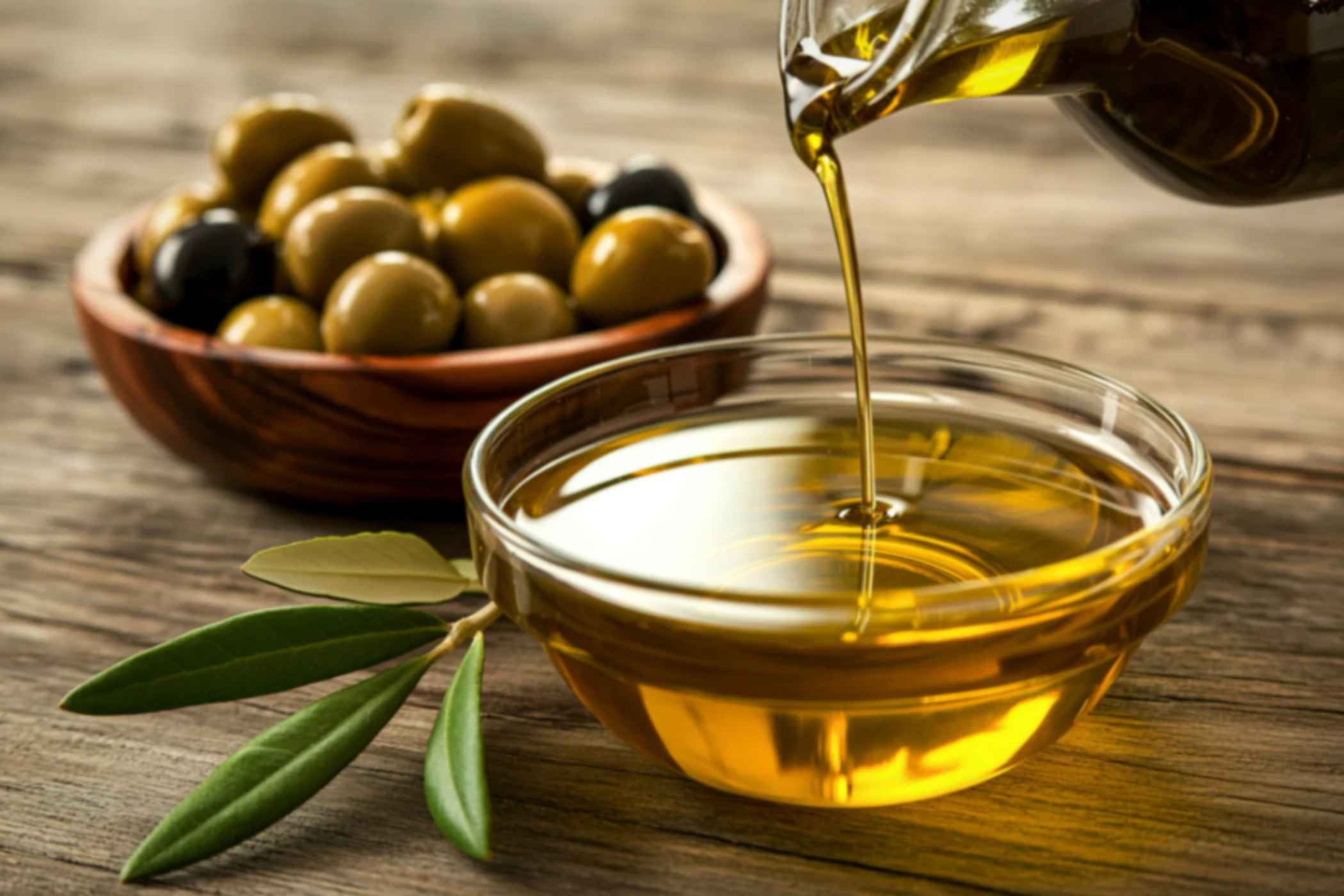
An oil mill – or frantoio in Italian – is the beating heart of Mediterranean cuisine, where one of the world's most precious foods is meticulously crafted. Inside these aromatic sanctuaries, hand-picked olives are cleaned, crushed, and cold-pressed to yield premium extra virgin olive oil, celebrated globally for its intense flavor profiles and exceptional nutritional properties. Every stage of the process is treated with delicate care to safeguard the fluid's complex organoleptic characteristics. With its uniquely mild coastal climate and dramatically terraced hillsides, the northern Italian region of Liguria is renowned for its world-class olive oil production. Most notably, the Riviera Ligure DOP (Protected Designation of Origin) certification guarantees strict adherence to quality and regional authenticity. Dotting this narrow strip of land between the Alps and the Mediterranean Sea are numerous oil mills, many of which remain proudly family-run, bridging the gap between centuries-old stone mills and cutting-edge modern centrifuges.
Getting There
By Train:
The Trenitalia coastal rail line connects all major seaside towns. Take a regional or Intercity train to key olive hubs like Imperia Oneglia, Albenga, or Chiavari. From the coastal stations, local inland buses or short taxi rides will carry you directly up to the hillside estate villages.
By Car:
Driving offers maximum flexibility to explore remote mills. Use the A10 highway (Autostrada dei Fiori) for western mills or the A12 highway for the eastern side. Be prepared for narrow, winding, and exceptionally scenic mountain switchbacks leading into the valleys.
By Air & Bus:
Fly into Genoa Cristoforo Colombo Airport (GOA) or Nice Côte d'Azur (NCE) just across the French border. From Genoa, regional ATP or TPL buses run extensive networks connecting the major coastal train terminals to the smaller inland valleys where agricultural mills operate.
Below you'll find the location marked on Google Maps. Click on it to open the location directly on your device's maps.
Useful Contacts
- Regional Tourism Office: +39 010 54851
- Consorzio Tutela Olio Extra Vergine di Oliva Riviera Ligure DOP: https://www.oliorivieraligure.it/
- Genoa Tourism Information Center: +39 010 5573070 | [email protected]
What to Bring & Pro Tips
- Because many Ligurian mills are compact, family-operated businesses, walk-ins are rarely accommodated for guided tours. Always book via email or telephone at least a week prior.
- The absolute best time to visit is during the pressing season from late October through January.
- Wear sturdy, closed-toe walking shoes or sneakers. Mill floors can be slick with moisture or oil residue, and the estate paths involve steep terraced hills. Bring a light sweater, as the processing rooms are kept cool.
- Avoid wearing strong perfumes or colognes on the day of your tour. Heavy scents disrupt your olfactory senses, making it difficult to fully detect the delicate, herbaceous aromas of the olive oil.
The “Hidden Gem“:
After indulging in an olive oil tasting in the province of Imperia, escape the crowds by driving or taking a local bus to the breathtaking, cliffside medieval village of Cervo. Perched dramatically over the glittering Ligurian Sea, this virtually car-free hamlet is an architectural masterpiece of pastel-colored houses, winding cobblestone alleys, and quiet stone archways. The crowning jewel of the village is the magnificent Baroque Church of San Giovanni Battista, affectionately nicknamed “The Church of the Coralmen” because it was funded by the local coral fishermen centuries ago. Standing on the church's panoramic terrace offers unparalleled views of the coastline. If you visit during the summer months, Cervo hosts a world-famous International Festival of Chamber Music, where classical musicians perform outdoors on the moonlit piazza under the stars – a perfect, poetic pairing to your culinary day trip.
