

What You Need to Know: Useful Information
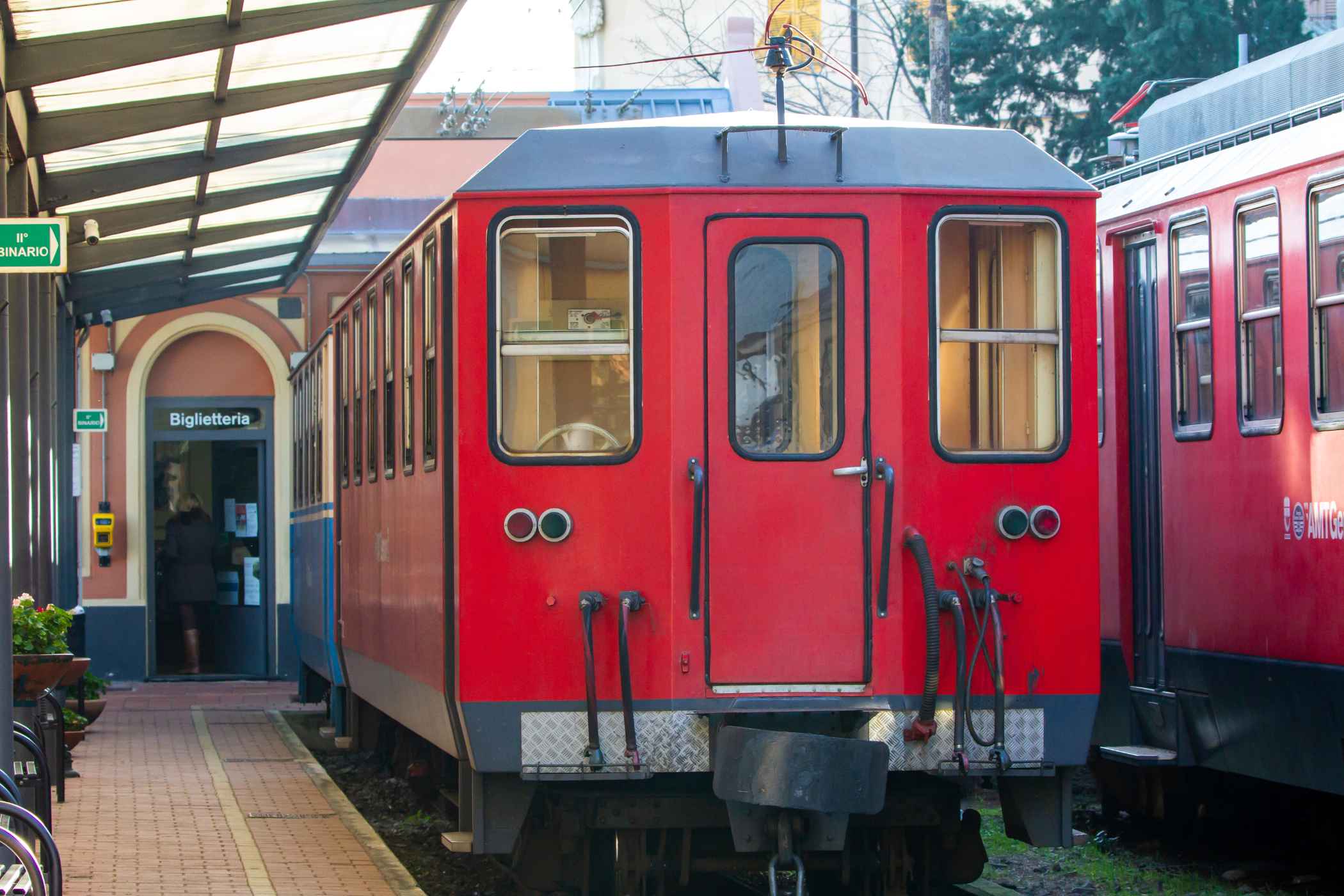
The Casella train – known locally as the Ferrovia Genova-Casella – is a magnificent historic narrow-gauge railway that serves as an enchanting corridor connecting the urban core of Genoa with its pristine, mountainous hinterland. Opened in 1929, this remarkable 25-kilometer (15.5-mile) line loops seamlessly through steep alpine slopes, dense chestnut forests, emerald rolling hills, and forgotten medieval hamlets. It is celebrated internationally as one of the finest and best-preserved historic rail lines remaining in Italy, featuring classic vintage carriages and heritage tracks that evoke an unmatched old-world romance. The journey begins right on the edge of Genoa's central district at Campi station, carving a path toward the quiet, welcoming inland towns of Sant'Olcese and Casella. Along the route, passengers are treated to a changing canvas of dramatic vistas: the sparkling blue waters of the Mediterranean Sea peek through the valleys during the first few kilometers, before giving way entirely to the lush, wild greenery of the Ligurian Apennines as the train pushes deeper inland.
Getting There
By Train:
Arrive at the major Genova Piazza Principe or Genova Brignole mainlines. From Brignole, the departure station can be reached via a 20-minute uphill walk through historic neighborhoods, or by jumping onto a public city bus right outside the station doors.
By Car:
If navigating by car via the A12 highway, take the Genova Est exit. Follow signs toward central Genoa and Piazza Manin. While parking directly at the station terminal is tight, there are several paid public parking blue-zones situated along the surrounding residential avenues.
By Air & Bus:
From Genoa Cristoforo Colombo Airport (GOA), take the Volabus or Airlink shuttle to the city center (Brignole drop-off). From central Genoa, catch the frequent urban AMT bus lines 34 or 36, both of which drop passengers off directly at the station hub.
Below you'll find the location marked on Google Maps. Click on it to open the location directly on your device's maps.
Useful Contacts
- Genoa Tourism Information Center: +39 010 5573070 | [email protected]
- Ferrovia Genova-Casella (AMT Public Transport Authority): +39 848 000 030 | ferroviagenovacasella.it | amt.genova.it
What to Bring & Pro Tips
- For the most spectacular early views as you exit the city, try to sit on the right side of the carriage when departing Genoa. This gives you prime views of the maritime valleys and historic city fortresses opening up below.
- Tickets can be bought directly at the station window or digitally via the AMT transit app. Opt for a round-trip ticket or a full-day pass if you plan to jump on and off to explore multiple villages along the line.
- The inland Apennines are significantly cooler and cloudier than the coastal city center. Pack a windproof jacket or layers. Sturdy walking shoes with reliable grip are mandatory if you intend to exit at mountain trail stops.
The Hidden Gem:
While many travelers ride the narrow-gauge railway all the way to its flat meadow destination in Casella, the ultimate insider's experience is found by disembarking early at the remote hillside stops of Trensasco or Campi. From these quiet mountain halts, hikers gain access to the sweeping paths that lead straight into the pristine valleys surrounding Forte Diamante (The Diamond Fort). Perched high like an isolated crown on a conical hill 667 meters above sea level, Forte Diamante is one of the most visually striking and dramatic military structures built to protect Genoa in the 18th century. The hike up features an iconic series of tight, steep switchbacks cutting through grassy alpine slopes. Once you reach the ancient stone walls of the fort, you will be rewarded with a mind-boggling, 300-degree view that captures the wild Apennine valleys on one side and the dense urban gulf of Genoa on the other – a wild, tranquil vista completely hidden from the tourist crowds down on the coastline.
