

What You Need to Know: Useful Information
Taking part in a traditional Sicilian cooking workshop is the perfect idea for those who want to enjoy an authentic and unusual experience. In Sicily, cuisine is an expression of history, cultural influences, and extraordinary ingredients. Participating in a workshop means coming into direct contact with these elements, learning not only recipes but also the reasons behind each ingredient and each gesture.
Working alongside local chefs and cooks, you will discover simple but fundamental techniques that have defined the island's gastronomic identity for centuries. Cooking together with locals creates an incredibly convivial atmosphere where family traditions, little tricks, and secret gestures handed down from generation to generation are openly shared. For those who love to travel through food, a Sicilian cooking workshop is an investment in taste and memory: a concrete way to take away not only a beautiful vacation memory, but useful skills and dishes that will last a lifetime.
Getting There
By train
To reach the vibrant culinary hubs of Sicily by rail, you can take a regional or high-speed Trenitalia train directly to Palermo Centrale, Catania Centrale, or Siracusa. These main stations position you perfectly to walk or take a short taxi ride to the historic city centers and old markets where many cooking schools and home kitchens are located.
By car
Driving is an ideal option if your cooking class is hosted at a countryside estate, a rural farm, or a vineyard masseria. From Catania, you can easily jump onto the A19 highway to cross the island toward central Sicilian hill towns, or take the A18 highway along the coast to reach seaside culinary workshops, where nearby public parking is widely available.
By bus
For regional public transit travelers, long-distance and intercity buses operated by companies like SAIS Autolinee or Interbus run daily routes connecting major airports directly to smaller medieval villages. These buses drop passengers off at central transport terminals, making localized culinary workshops highly accessible.
Useful Contacts
- FIPE – Federazione Italiana Pubblici Esercizi (Association of Italian Culinary and Catering Professionals):
- Website: fipe.it
- Slow Food Sicilia (Regional Hub for Authentic and Traditional Gastronomy):
- Website: slowfoodsicilia.it
- Sicilia Turismo (Sicily Regional Tourism Board Portal):
- Website: visitsicily.info
What to Bring & Pro Tips
- Secure your cooking class booking online well in advance, as these highly sought-after workshops often cap group sizes to ensure everyone gets a dedicated prep station.
- Look for workshops that include guided visits to local markets, as participants learn to recognize peak seasonal products, how to best handle their purchases, and hear cultural anecdotes that make each dish meaningful.
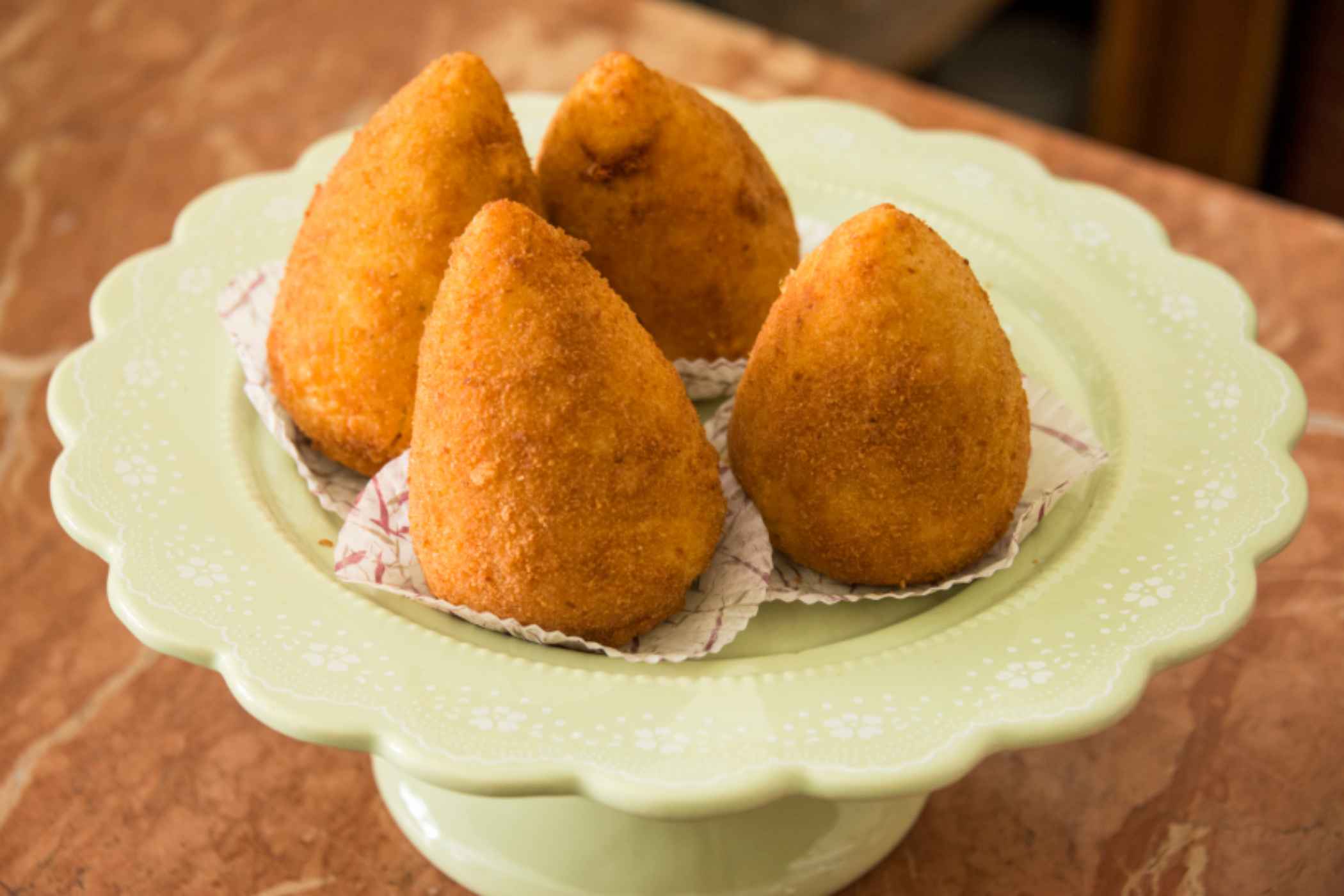
- Prepare to practice a wide array of classic culinary methods, ranging from preparing handmade pasta to filling arancini, all the way to mastering the art of perfect frying and decorating cannoli.
- Wear comfortable, flat closed-toe shoes, as you will be standing on your feet for several hours on hard kitchen tiles while prepping and cooking.
- Dress in casual clothing and tie back long hair, since you will be working dynamically with flour, hot oil, and fresh tomato sauces.
- Keep your notes handy, as returning home with written recipes and practical advice allows you to continue your discovery of Sicily in your own kitchen, replicating authentic flavors for your loved ones.
The “Hidden Gem”
Once you have finished frying your golden arancini and piping sweet ricotta into your homemade cannoli, take a short drive to explore the stunning Palazzolo Acreide.
Instead of staying entirely focused on the crowded coastal kitchens of Syracuse or Noto, head up into the nearby Hyblaean Mountains to discover this breathtaking UNESCO World Heritage baroque town. Palazzolo Acreide is a dream destination for food lovers and historians alike; it features incredibly ornate stone palazzi, an ancient Greek theater tucked into the hills, and a deep-rooted culinary heritage centered around wild fennel, ancient grains, and its famous traditional local sausage. Walking through its quiet, uncrowded stone streets and stopping by a historic local pastry shop offers a wonderfully authentic and deeply satisfying cultural break, rewarding travelers with a look at a town where traditional Sicilian flavors and ancient stone architecture have remained completely untouched by mass tourism.
