

What You Need to Know: Useful Information
The rock necropolis of Norchia is located in the municipality of Vetralla, in the province of Viterbo. This remarkable archaeological site is set in a rural, wild area characterized by a unique tuffaceous landscape. Norchia is famous worldwide for its spectacular Etruscan tombs carved directly into the rock, dating mainly from the Hellenistic period between the 4th and 2nd centuries BC. The necropolis features many chamber tombs and facades carved into tuff, with some still showing clear, intricate architectural details. These rock tombs provide valuable insights into the ancient Etruscan civilization and their burial practices, featuring intriguing engravings and architecture that captivate archaeology enthusiasts. The peaceful natural setting of Tuff Valley makes for a completely relaxing and immersive visit, offering an authentic and unspoilt atmosphere ideal for those who love ancient history and unspoiled nature.
Getting There
By train
The nearest rail connection is the Vetralla railway station on the Rome-Capranica-Viterbo line, but because public transport to the actual site is highly limited, you will need to arrange a private taxi or local ride from the station to reach the valley entrance. Alternatively, you can take a regional Trenitalia train to the larger Viterbo railway station, which serves as an excellent base for renting a vehicle to explore the rural archaeological routes at your own pace.
By car
Arriving by car is highly recommended due to the limited public transport options in this rural area. From Rome, take the A1 motorway northbound to the Orte exit, then continue on the SS675 highway towards Viterbo. From Viterbo, follow the provincial road to Vetralla and then follow the signs for Norchia to reach the main entrance near the municipal road of San Vivenzio.
By bus
For public transit travelers, local COTRAL regional buses run regular daily schedules connecting Rome and Viterbo to the town center of Vetralla. From Vetralla, however, reaching the remote valley requires a private taxi ride, as regular bus lines do not stop near the archaeological site.
Below you'll find the location marked on Google Maps. Click on it to open the location directly on your device's maps.
Useful Contacts
- Ufficio Informazioni Turistiche IAT Viterbo (Viterbo Central Tourist Hub):
- Phone: +39 0761 1520050 | [email protected]
What to Bring & Pro Tips
Because this site is located in a completely rural and wild area, remember to wear comfortable clothing and bring gear for all types of weather, as the open valley offers no shelter from sudden rain or intense sun. Sturdy hiking boots or sneakers with excellent deep-lug traction are an absolute must for safely navigating the unpaved, sometimes muddy paths that lead down into the tufa gorges. Since there are no visitor centers, shops, or cafes inside the wild archaeological area, make sure to pack a reusable water bottle and plenty of snacks to keep your energy up during your exploration. Lastly, bring a flashlight or headlamp if you want to carefully peer inside the dark, rock-cut chambers to get a better look at the ancient engravings and architectural layouts.
The “Hidden Gem”
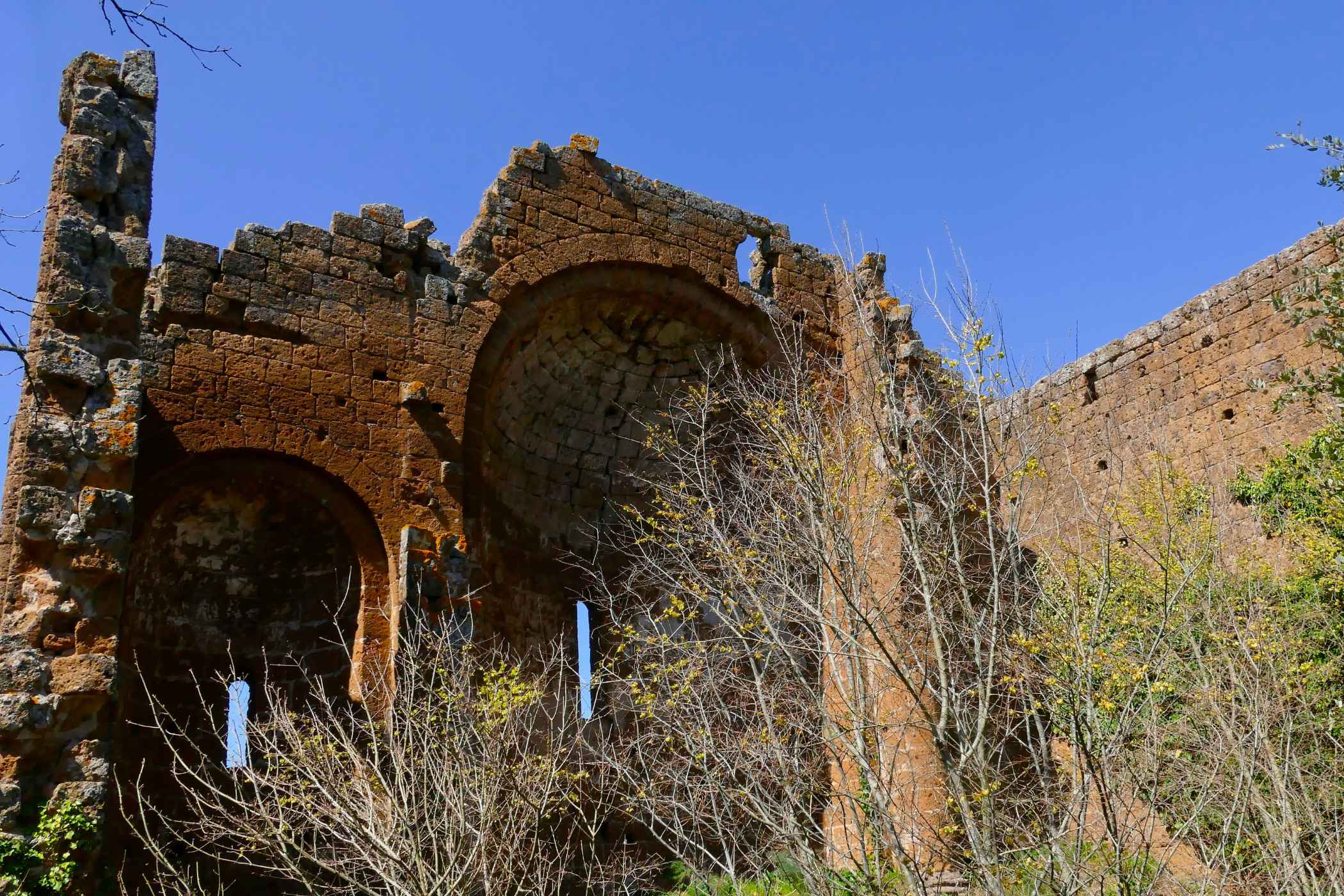
Once you have finished exploring the multi-layered cliff facades and rock-cut chambers of the necropolis, look closely within the valley to find the hauntingly beautiful ruins of the Medieval Church of San Pietro di Norchia.
Instead of checking out a typical modern archaeological pavilion, take a walk along the high tufa ridge to find the crumbling stone skeletons of this 12th-century Romanesque church and its adjacent medieval castle. Built directly on top of the ancient Etruscan and Roman foundations, the church features a beautifully preserved semi-circular apse and thick stone walls that are slowly being reclaimed by wild ivy and oak trees. Standing amidst these roofless, silent stone ruins—where medieval Christian arches sit directly above the pagan tombs of the Hellenistic period—offers a wonderfully poetic, layered historical experience. It rewards adventurous hikers with a profound sense of discovery, completely hidden far away from the standard tourist crowds.
