

What You Need to Know: Useful Information
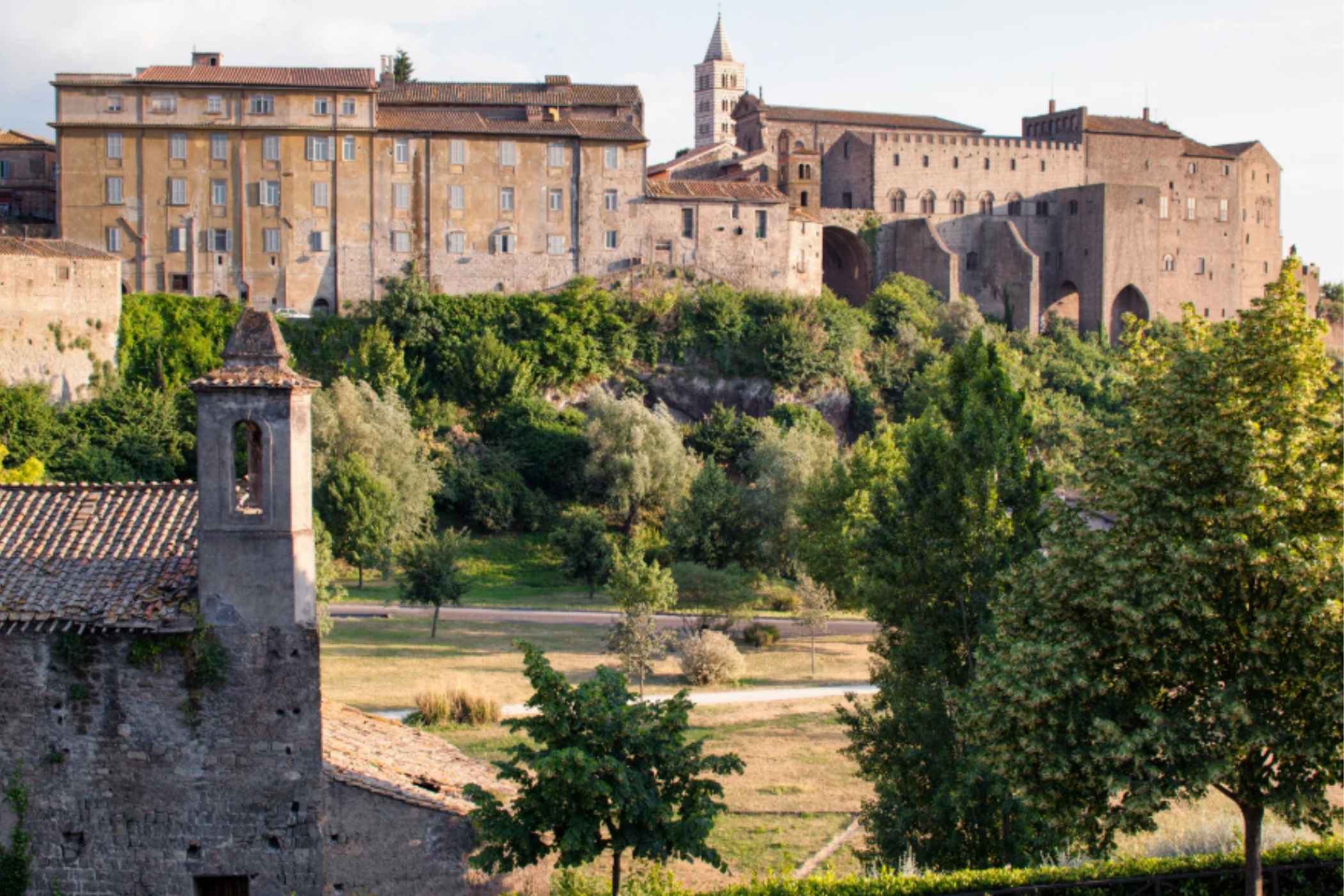
The Tuscia Train is a historic tourist railway that links Rome to Viterbo, traveling through the scenic and culturally rich Tuscia region. The Rome-Civita Castellana-Viterbo railway line is about 102 km long and was inaugurated in the 1930s, serving as a vital connection between the capital and northern Lazio. The Tuscia Train has its origins in the 1980s when it was promoted as both a transport option and a tourist attraction. The original carriages, from 1932, showcase Italian engineering and feature a vintage design that creates an immersive atmosphere for passengers. The train travels through picturesque landscapes, passing through historic villages such as Sant'Oreste, Civita Castellana, and Soriano nel Cimino, before reaching Viterbo, a city famous for its well-preserved medieval center and the Palazzo dei Papi. Taking the Tuscia Train means enjoying a slow and relaxing journey through hilly landscapes, woods, and agricultural areas. In addition, the train allows you to visit small towns where you can discover local traditions, crafts, and typical products.
Getting There
By train
The journey begins right in the heart of the capital city. You can take any high-speed or regional train directly to Roma Termini or Roma Tiburtina railway station. From there, use the local city transit network to reach the dedicated Stazione Flaminio (located next to Piazza del Popolo), which serves as the departure terminal for this specific northern Lazio line.
By car
If you plan to drive to the capital before boarding, take the A1 highway (Autostrada del Sole) and exit at Roma Nord, joining the Grande Raccordo Anulare (GRA) ring road. Follow the signs toward the center to park in a central garage near Flaminio, keeping in mind the city's strict restricted traffic zones (ZTL).
By bus
For regional transit travelers, multiple long-distance intercity buses run daily routes from across Italy straight to the Tiburtina bus station in Rome, allowing you to easily transfer to the local metro system to reach the historic train platform.
Below you'll find the location marked on Google Maps. Click on it to open the location directly on your device's maps.
Useful Contacts
- ATAC S.p.A. (Official Regional Line Operator & Timetable Office): +39 06 57003 | atac.roma.it
- Ufficio Turistico Viterbo (Viterbo Tourist Information Center): +39 0761 226427 | [email protected]
What to Bring & Pro Tips
- Because this vintage experience is highly popular for both day-tripping locals and international tourists, it is highly recommended to always check the timetables, which change according to the season, and buy your ticket in advance to avoid any inconvenience.
- The original 1932 carriages are beautifully authentic but do not feature modern air conditioning, so dressing in light, breathable layers is a must if you are traveling during the warmer months.
- Bring a camera with a good wide-angle lens to easily capture the hilly landscapes, woods, and agricultural areas rolling past the historic windows.
- Make sure to pack a reusable water bottle and some light snacks, as the slow-paced, nostalgic journey encourages you to completely unwind away from the rush of modern fast-transit dining cars.
The “Hidden Gem”
Once you have stepped off the vintage train platform in Civita Castellana, leave the main railway tracks for a brief detour to explore the majestic Forte Sangallo.
Instead of checking out a typical modern public building, this imposing star-shaped Renaissance fortress is an architectural masterpiece designed by Antonio da Sangallo the Elder at the turn of the 16th century for Pope Alexander VI Borgia. Sitting on a high volcanic tufa cliff, the fort features thick defensive bastions, an elegant internal courtyard with a grand double loggia, and a dramatic pentagonal moat. Today, the fortress houses the fascinating Civitonic Archaeological Museum, which showcases incredible, thousands-of-years-old masterworks, pottery, and terracotta decorations crafted by the ancient Faliscan civilization. Walking through its breezy, quiet ramparts offers a wonderfully panoramic, cultural break from the train ride, rewarding travelers with an exceptional view of Mount Soratte and the surrounding gorges.
