
The Italian grocery cart: what Italians really buy?
It is no secret that Italians are eternally obsessed with food. To truly understand the culture, it is basically a necessity that you have some comprehension of the Italian love affair with the kitchen. We will discuss the results of a study by ISTAT (the Italian National Institute of Statistics) regarding the grocery habits of Italian families. What exactly are Italians putting in their shopping carts, and which items are the most important to them?
The mystery of bottled water and coffee
Even though tap water in Italy is perfectly safe and clean, Italians have a unique obsession with bottled mineral water. In fact, bottled water and soft drinks rank as a significant expense for most households. Whether they prefer it liscia (still) or gassata (sparkling), Italians spend a surprising amount of money on water that they could otherwise get for free at home.
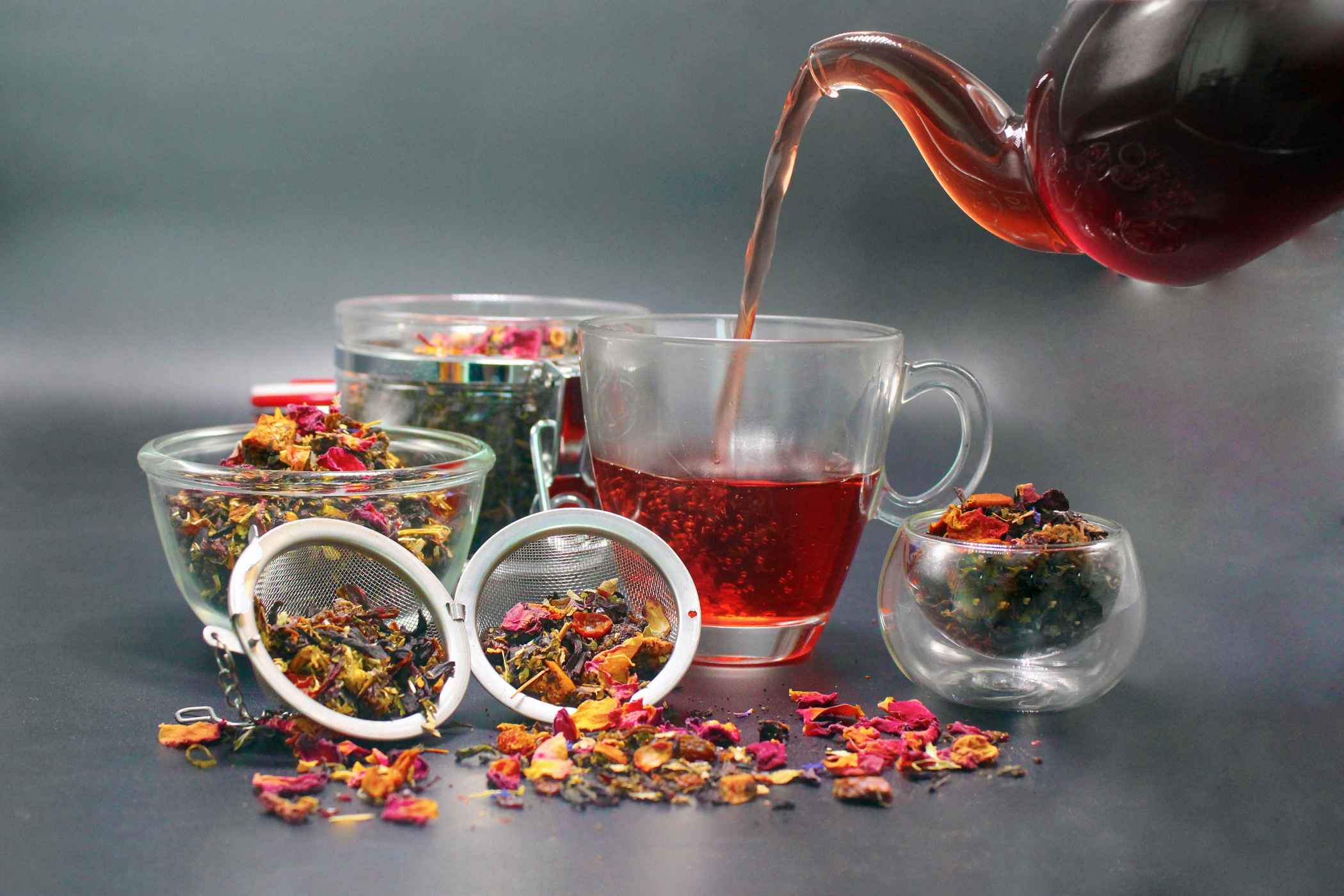
Close behind water is the iconic Italian coffee. While everyone knows Italians love their espresso and cappuccino, they are also becoming increasingly fond of tea and herbal infusions (tisane). Another treat they invest in is cioccolata calda (hot chocolate). Unlike the liquid versions found in other countries, Italian hot chocolate is incredibly thick – almost like a pudding – making it a rich and essential luxury for many families.
What is the “Liquid Gold“?
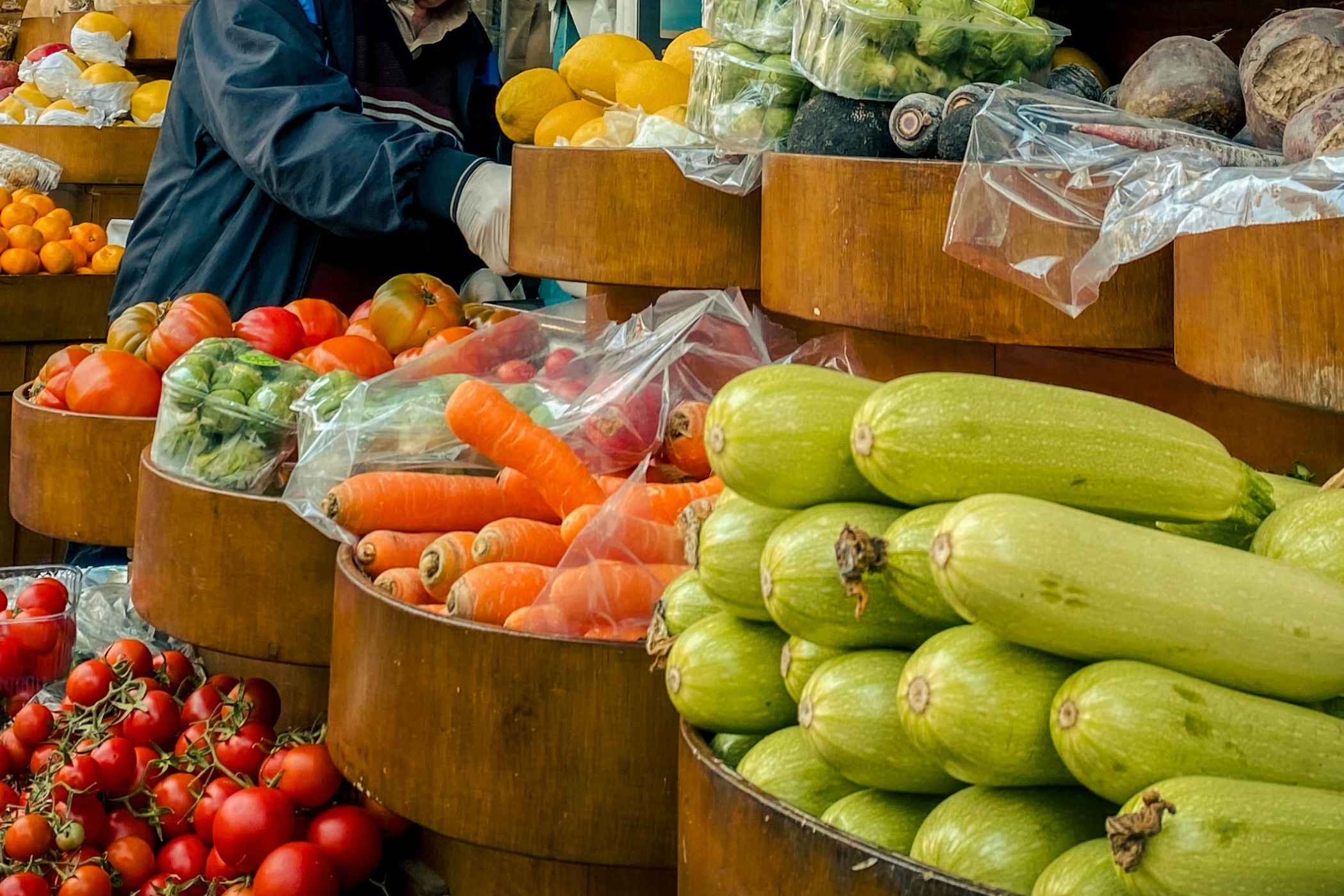
If you look at the middle of the list, you will find the real heart of the Mediterranean diet: fruits and vegetables. Italians eat a vast amount of fresh produce, and these items consistently rank among the top things they buy. However, there is one item that surprisingly costs Italians more than their vegetables: olive oil.
Italians use so much olive oil – often referred to as “liquid gold” – that they spend more on oils and fats than they do on coffee or fresh greens. This highlights just how essential high-quality oil is for every single meal prepared in an Italian kitchen.
What is the Italian coastal lifestyle?
Because Italy is a long peninsula surrounded by thousands of miles of coastline, it makes sense that fish and seafood are major priorities. Most Italians live relatively close to the sea, leading to a high consumption of fresh fish, crustaceans, and mollusks.
Despite the love for the sea, meat and cold cuts (salumi) actually rank even higher on the list. From steaks and sausages to famous cured meats like prosciutto and salame, meat remains a dominant part of the Italian diet. It is a primary expense for families, second only to the most important category of all.
What is the number one food item in Italy?
You might guess that pasta is the most purchased item, but it actually falls under a broader category. The absolute number one spot for Italian food spending belongs to bread and cereals. Italy has an incredible variety of bread, from the saltless loaves of Florence to the savory breads of Rome.
This category also includes grains like barley and farro, which are used for traditional soups and pasta making. For Italians, a meal is simply not complete without bread on the table. It is the foundation of their diet and the item they value most when managing their weekly food budget. Whether it’s a quick snack or a formal dinner, bread remains the king of the Italian grocery list.
Loved this episode?
Turn it into practice.
Get the full transcript and a set of comprehension questions, the perfect way to take your Italian listening skills to the next level.
Click here to download the PDF