
Do Italians drink tap water?
If you’ve ever walked through an Italian supermarket, you’ve likely seen entire aisles dedicated to one thing: water. Despite having high-quality, safe tap water across the country, Italians are among the world’s biggest consumers of bottled water. But why? The reason lies in a mix of cultural habits, marketing, and some very specific Italian obsessions.
Is tap water in Italy safe to drink?
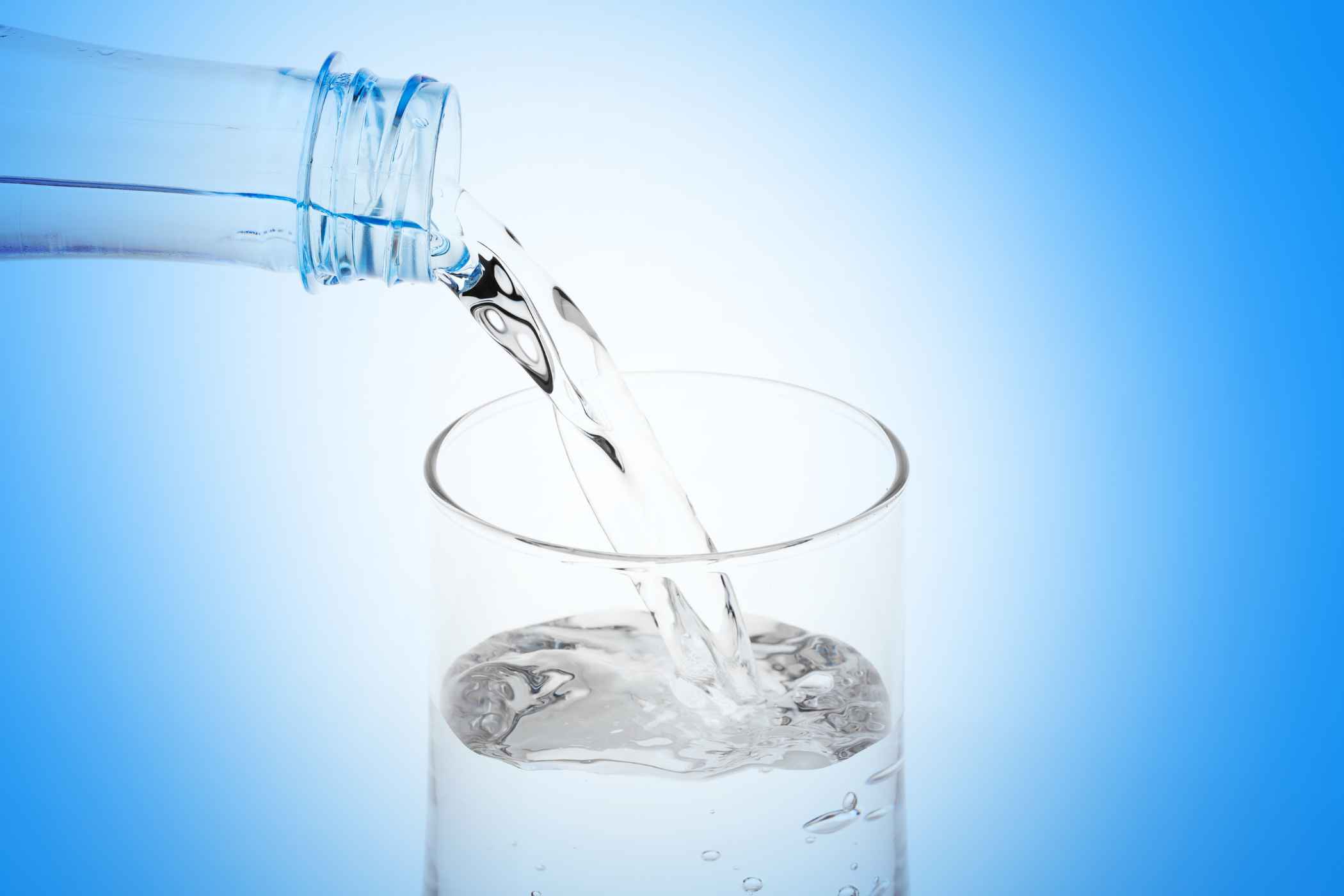
Let’s clear up one thing immediately: tap water in Italy is perfectly potable. Whether it’s from your kitchen sink or one of the thousands of public drinking fountains (like the famous nasoni in Rome), the water is safe and strictly monitored. The only water you should avoid is from decorative fountains, like the Trevi Fountain, which use recycled water systems.
Despite this, the majority of Italians still reach for l’acqua minerale (bottled water). In Italian, “minerale” is a catch-all term that includes both acqua gassata (sparkling) and acqua naturale (still), which locals often call acqua liscia.
Are Italians hypochondriacs?
One of the main reasons Italians avoid the tap is rooted in a psychological fear of germs and contamination. Even though major contamination events are incredibly rare, there is a lingering cultural anxiety that city water might not be as “pure” as what comes from a sealed bottle. Some even worry about “chemical terrorism” or intentional poisoning – fears that have no historical basis in Italy but persist in the collective imagination.
What types of water are there in Italy?
Italians have a unique way of classifying the water they drink. You will often hear them talk about:
- Acqua Leggera (Light Water): Water that is considered easy to digest.
- Acqua Pesante (Heavy Water): Water that feels “heavy” in the stomach or is harder to digest.
While these terms aren't strictly scientific, they are a huge part of the national conversation. Much of this is driven by marketing. Italian commercials are famous for advertising water based on what it doesn't have – specifically sodium. If an ad says a brand is “low in sodium“, Italians will buy it immediately, convinced it's better for their health, often without even checking the label.
The bottled water market in Italy is incredibly specialized. You can find:
- Diuretic Water: Specifically marketed to help you “go to the bathroom“.
- Mineral-Rich Water: For athletes or those needing extra nutrients.
- Baby Water: Formulated specifically for infants.
Is it a matter of personal taste?
Psychosis aside, there is a practical reason for the obsession: taste. Tap water can be “hard” (full of calcium) or have a slight chlorine flavor. For a culture that prides itself on a refined palate, the neutral, crisp taste of bottled water is simply preferred.
Loved this episode?
Turn it into practice.
Get the full transcript and a set of comprehension questions, the perfect way to take your Italian listening skills to the next level.
Click here to download the PDF