

What You Need to Know: Useful Information
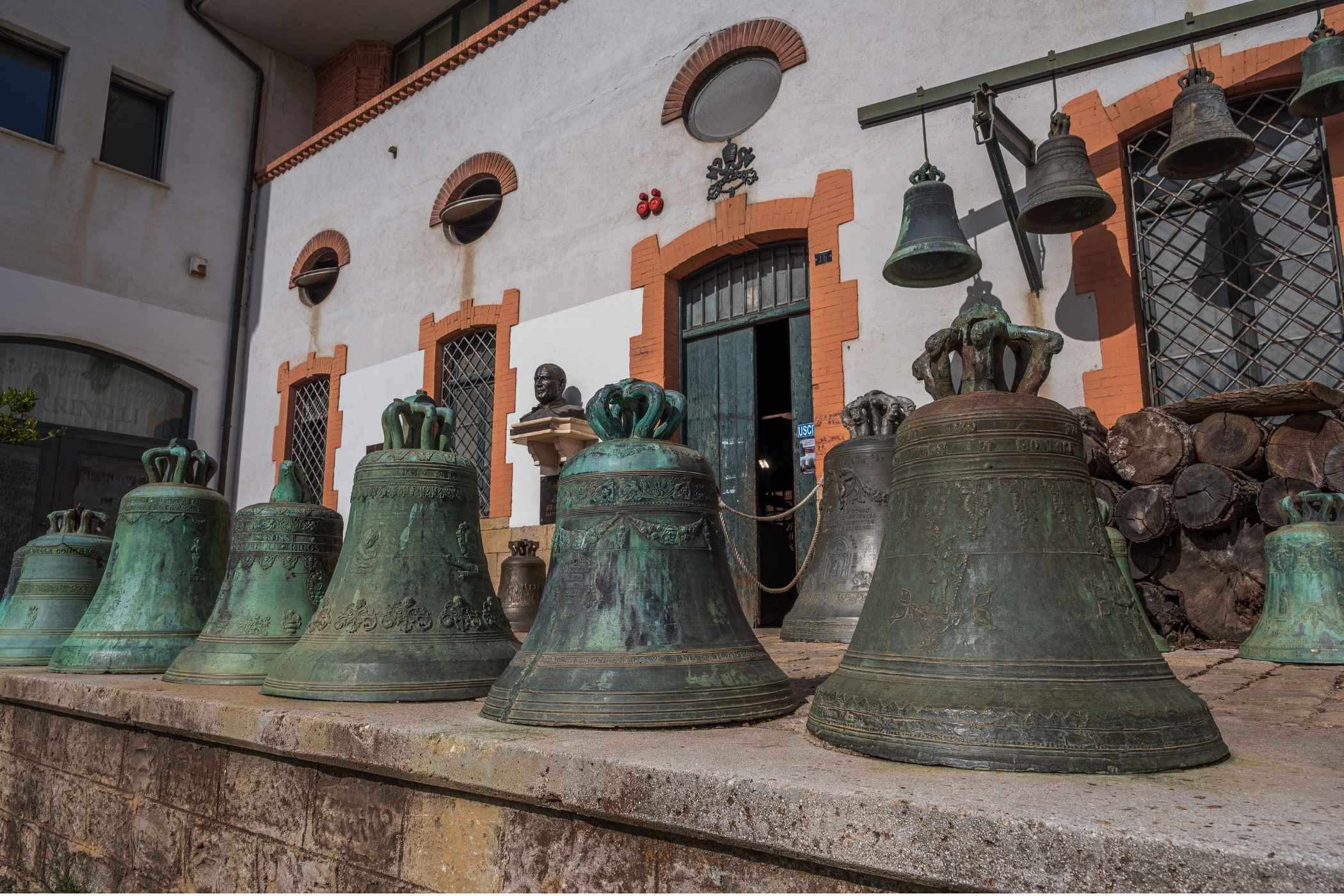
The Pontificia Fonderia di Campane Marinelli in Agnone, Molise, is Italy's oldest bell foundry and one of the oldest worldwide. It's located right near the border with Abruzzo, and organizing a trip to Molise to see the foundry can be a great way to visit a neighboring region, even if it's just a day trip! Its history dates back to around the year 1000, when it began producing bells by hand. Since then, the Marinelli family has handed down the art of bell casting from generation to generation, keeping alive ancient traditional techniques such as lost wax casting. This foundry is renowned for the quality and beauty of its products, which are not just bells, but true works of art. Marinelli bells are known throughout the world for their harmonious sound and the artistic decorations that often characterize them. Over the centuries, they have rung in churches, towers, and famous squares, becoming symbols of culture and spirituality. The foundry also enjoys a prestigious title, that of “Pontificia”, a recognition conferred by the Holy See for the historical and artistic importance of its work. Currently, the foundry is run by the 27th generation of the Marinelli family, who continue to keep this ancient craft tradition alive.
Getting There
By train
To get within reach of this mountain town by rail, you can take a regional Trenitalia train to the Isernia railway station or the Sulmona railway station in neighboring Abruzzo. From these regional hubs, you will need to continue the trip via local suburban bus lines, as Agnone does not have its own active commercial train station.
By car
If you choose to drive from Rome or Naples, take the A1 highway (Autostrada del Sole), take the exit at San Vittore or Caianello, and then follow the SS85 and SS17 highways toward Isernia. From Isernia, take the scenic SS650 highway (Fondo Valle del Trigno) and follow the signs up the winding mountain roads straight into Agnone.
By bus
For regional public transit travelers who prefer this option, ATM (Azienda Trasporti Molisana) operates daily intercity bus routes that connect the main transit terminal in Isernia directly to the town center of Agnone.
Below you'll find the location marked on Google Maps. Click on it to open the location directly on your device's maps.
Useful Contacts
- Pontificia Fonderia di Campane Marinelli (Official Foundry & Museum Office):
- Phone: +39 0865 78235
- Email: [email protected]
- Website: campanemarinelli.com
- Ufficio Pro Loco Agnone (Agnone Tourist Information Hub):
- Phone: +39 0865 77247
- Email: [email protected]
- Assessorato al Turismo Regione Molise (Molise Regional Tourism Board):
- Website: visitmolise.eu
What to Bring & Pro Tips
- Because you can visit both the active workshop and the “Giovanni Paolo II” Historical Bell Museum located next to the company, it is highly recommended to call or email ahead to book your guided tour slot, especially if you want to catch a live explanation of the casting process.
- The museum offers an incredible journey through the history of bell production, displaying tools, techniques, and samples of bells made over the centuries.
- Be sure to wear comfortable, flat walking shoes to navigate the stone floors of the historic workshops and exhibit spaces with ease.
- Bring a camera or smartphone to photograph the historic artifacts and beautifully detailed reliefs, but remember to turn off your flash to respect the historical displays.
- Lastly, keep a little extra room in your daypack, as the museum shop offers beautifully crafted miniature bronze souvenir bells that make for a truly unique acoustic keepsake.
The “Hidden Gem”
Once you have finished exploring the ancient wax molds and hearing the harmonious chime of the bells, leave the foundry gates to discover the striking Church of Sant'Emidio and its Historic Library.
Instead of checking out a standard modern town hall, take a short walk into the heart of Agnone’s historic center to find this beautiful 14th-century stone church, featuring an elegant Gothic portal and a distinctive square bell tower. What makes this spot truly special is its library, which guards rare, centuries-old theological texts, ancient manuscripts, and unique local records detailing the town's artistic history. Walking through the quiet, shadow-filled nave and admiring the intricate wood-carved statues inside offers a wonderfully peaceful, contemplative break from the foundry tours, rewarding travelers with an intimate look into the deep spiritual and intellectual life that has thrived in this mountain town for generations.
