

What You Need to Know: Useful Information
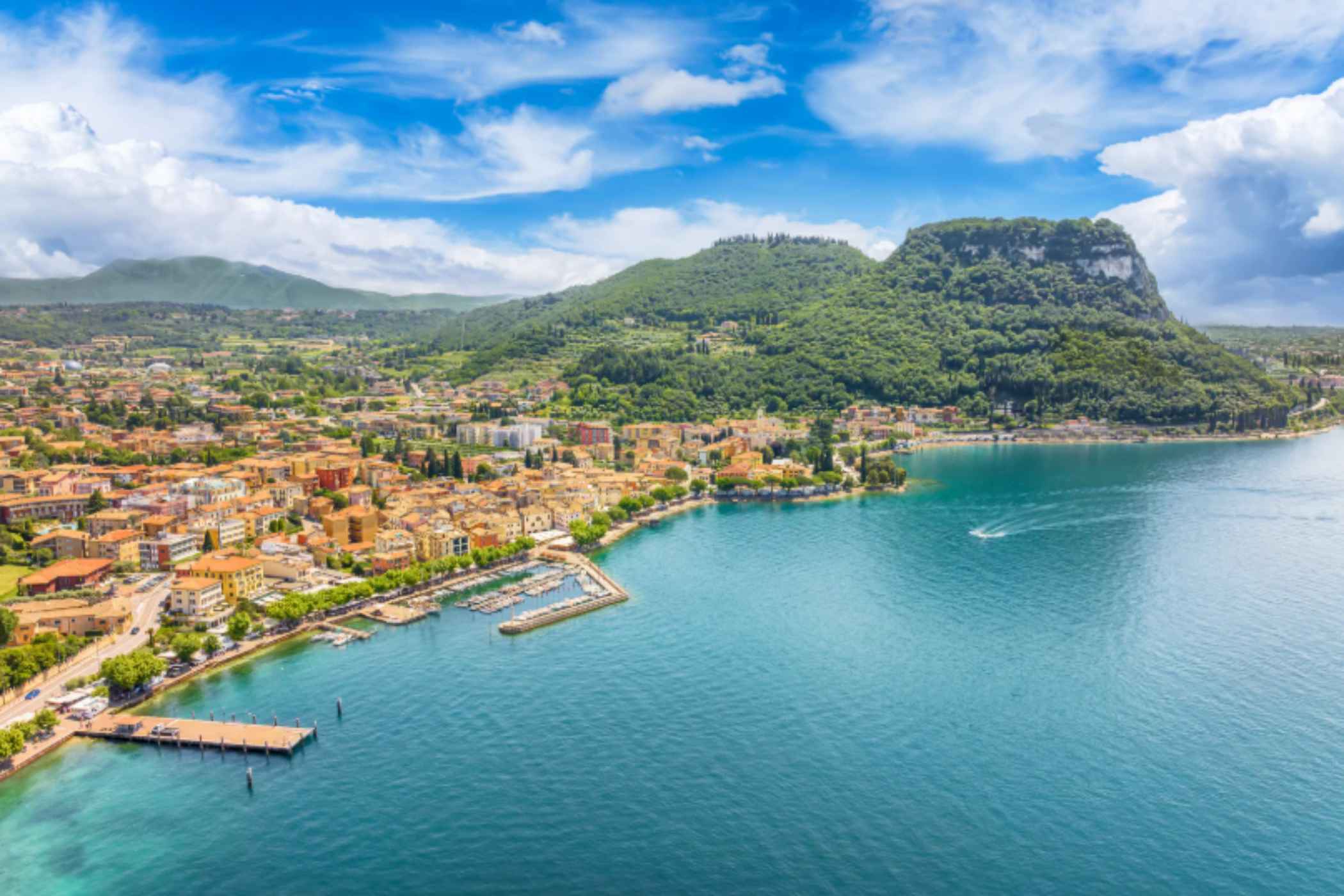
Carved by hand out of sheer limestone cliffs in the 1840s, the Ponale Road (Strada del Ponale) is one of Europe's most famous and spectacular engineering marvels. Originally built to rescue the isolated Ledro Valley from economic isolation by connecting it to the port city of Riva del Garda, this legendary road was fully decommissioned for motor vehicles in the late 1990s. Today, it stands reborn as an alpine-mediterranean multi-use trail. Hugging the rugged rock face hundreds of meters above the deep blue waters of northern Lake Garda, it offers cyclists and hikers unparalleled, vertigo-inducing views of the surrounding mountains and the lake below.
Getting There
The Trailhead:
The route begins just outside the historic center of Riva del Garda. Follow the lakeside promenade past the multi-story Monte Oro parking garage and head toward the main Gardesana highway (SS45bis) in the direction of Limone. The dedicated, car-free entrance ramp to the Ponale path is clearly signposted on the right side of the road before the main vehicular tunnels.
By Car:
Park in Riva del Garda at the paid Parcheggio Monte Oro or Parcheggio Blue Garden. Parking directly at the trailhead is not permitted.
The Return Journey:
Most hikers and recreational cyclists opt to ride or walk back down the exact same path to enjoy the downhill lake views. Alternatively, tired cyclists can catch a regional public bus equipped with bike racks from the town of Molina di Ledro back down to Riva del Garda.
Below you'll find the location marked on Google Maps. Click on it to open the location directly on your device's maps.
Useful Contacts
- Garda Trentino Tourist Information (Riva Office): +39 0464 554444 | [email protected]
The “Hidden Gem“
While most people focus entirely on the sweeping lake views, keep an eye out for a hidden piece of military history. Hidden behind the stone walls and underbrush along the lower sections of the road are the sealed entry hatches of the Tagliata del Ponale. Built by the Austro-Hungarian Empire between 1860 and 1918, this is a massive, multi-level military fortification carved completely inside the mountain rock. It features a labyrinth of tunnels, gun ports, and lookout bunkers designed to completely lock down the road in the event of an invasion—making the entire cliffside a massive, hollowed-out fortress.
